



Global South Visions of International Order: A Conversation with Muhammad Suhail Mohamed Yazid
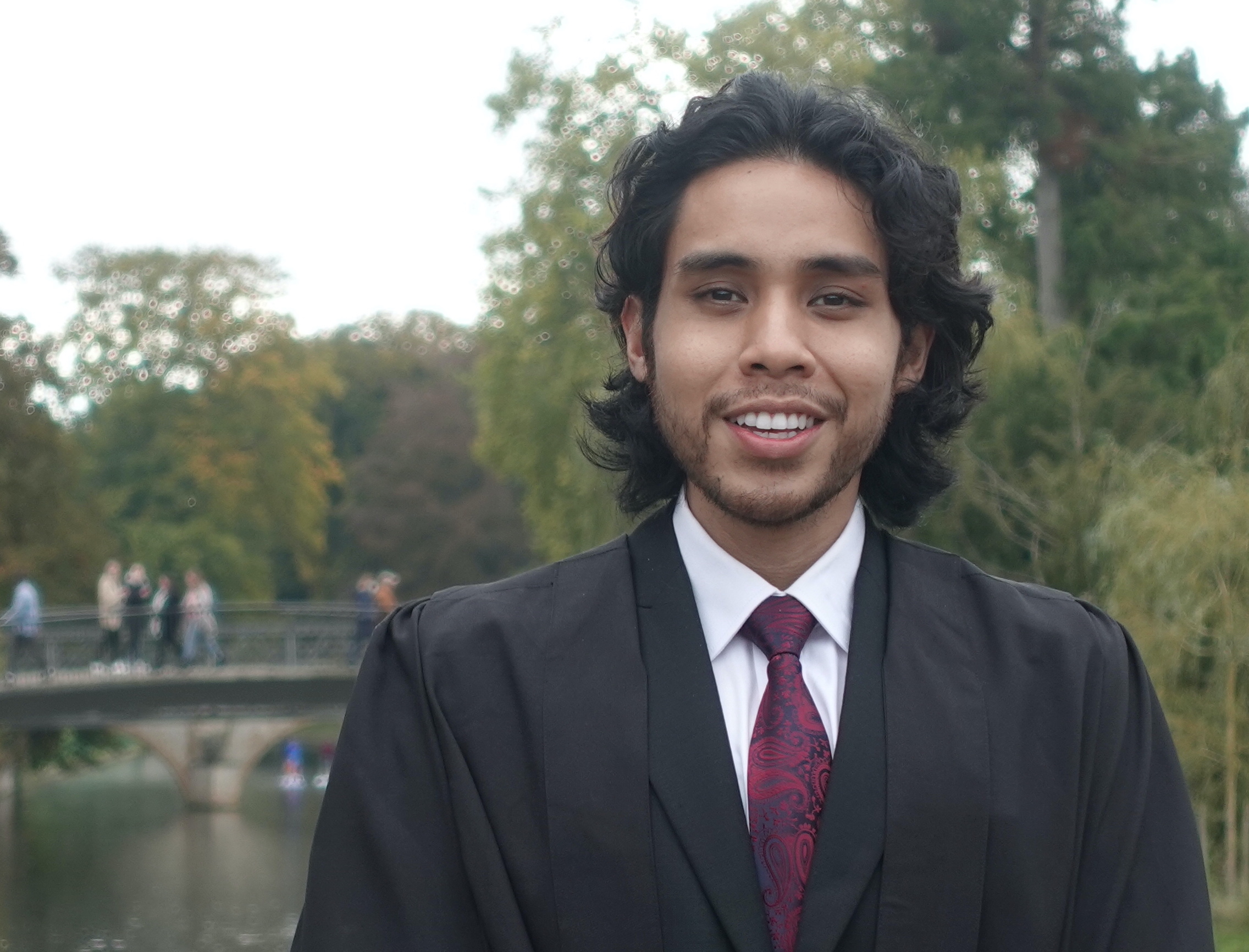
Muhammad Suhail Mohamed Yazid, Postdoctoral Fellow at the Harvard University Asia Center, reflects on his current research, his path to global and international history, and his book projects on postwar Malaysia and Singapore, while discussing how scholars from the Global South have sought to reshape international institutions and historical narratives since the Second World War.
Q. Could you briefly describe your primary area of research and what you are working on during your fellowship at the Asia Center?
My research lies at the intersection of three areas of international history: the Cold War, international organizations, and global decolonization. As a specialist in Muslim Southeast Asia, I am writing a book about Malaysian-led efforts to redesign global governance after World War II. It explores how Malaysian leaders shaped the postwar international order by engaging with and challenging different ideas of sovereignty. Smaller states can often influence global historical processes, and my research provides a critical window into the opportunities at their disposal.
Q. Your first journal article, “For the Common Good of All: Global Decolonization and the Malaysian Initiative
for a ‘Muslim Commonwealth,’ 1961–69,” has just been published in the Journal of Global History under your Asia Center affiliation. What is the article about, and why does this moment in global history matter?
The article gives you a nice preview of my future book by recovering a lost alternative to secular internationalism: Malaysia’s initiative for a ‘Muslim Commonwealth’. This proposed international organization was Malaysia’s attempt to unify Muslim-majority countries under its leadership. What is curious about this initiative is how eclectic it was. Malaysian Prime Minister Tunku Abdul Rahman fused universal ideas from different intellectual genealogies, like British liberalism, pan-Islamism, and Asianism, to broaden the project’s appeal. The article spotlights the 1960s as a key period in global history when many Global South countries were developing contending visions about how the world should be organized. It also explains why these visions remained visions and nothing more.
Q. What other research or writing projects have you been advancing during your time at the Asia Center?
Building on Professor Sugata Bose’s lifelong work on the Indian Ocean, I am dedicating some of my time to an article which theorizes how the ocean influenced the building of postcolonial states in 1950s Asia. I am also writing a piece about Malaysian involvement in African decolonization because the Southeast Asia-Africa axis in global history is understudied and deserves more attention.
Q. You are also developing a new postdoctoral project on the founding years of the Organization of Islamic Cooperation. What questions guide this research, and how did conversations at Harvard help shape its direction?
In my postdoctoral project, I explore the question: what does it mean to be a ‘Muslim nation’ in the era of nation-states? This question is both political and philosophical. Learning about the pathbreaking research of Asia Center scholars and affiliates on the sheer diversity of Asia has generated productive questions for my work, specifically when it comes to themes of belonging, memory, and the shared experience of being human.
Q. You are currently revising your Ph.D. dissertation into a book manuscript. How has the process of turning the dissertation into a book unfolded so far?
That is a tough question, especially for someone who is still waiting for the ink to dry. However, I remain grateful that I am not tired of my PhD research, not just yet. I sincerely enjoy the creative process of revisiting my work, expanding certain sections which I have longed to write and weaving in overlooked archival material. I am still experimenting with titles, and there is an earnest desire to refine my writing every day. By taking my time, I hope the eventual manuscript will offer a meaningful contribution to broader theoretical debates not only in global history, but also in kindred fields like international relations, religion, and literature.
Q. As you move through the second year of your fellowship, what are you most looking forward to, and what would you like readers of the Asia Center newsletter to take away from your work?
I am looking forward to finalizing my book manuscript and presenting sections at conferences and workshops. It has also been some time since I last visited the archives, so I am getting quite impatient for my next fieldwork trip. In the meantime, I hope to continue building new connections and having conversations with scholars here at Harvard. If I can summarize one key takeaway from my work, it is that global instability is not a new phenomenon. The ‘settled’ international order of the past was itself unpredictable and a product of hard-fought struggles over sovereignty, equality, and justice. To imagine a better world, we should revisit the historical prisons that continue to burden the present.